

New Models16 min read
GPT-6.1 Terra: $1 Computer Use, Explained
OpenAI's GPT-6.1 Terra (26 Oct 2026) does computer use at $1/$5 per 1M tokens — half of Sol, Astra-level agent scores, far less per task.
Md Badsha · 27 Oct 2026
4 Uncensored LLM model added, currently available for only pay-as-you-go users.See Models
Topic
OpenAI's GPT-6.1 Terra (26 Oct 2026) does computer use at $1/$5 per 1M tokens — half of Sol, Astra-level agent scores, far less per task.
Moonshot's Kimi K3.1 Pro launched 23 Oct 2026 at $2/$10 per 1M tokens — 33% cheaper than K3, 65.7% on Terminal-Bench 4.0, open weights by Nov 4.
Every major model now ships a 1M-token context window — but filling it costs anywhere from $0.15 to $20, and OpenAI doubles your rate past 272K tokens. What 1M tokens actually fits, and when you need it.
DeepSeek's V4.1-Flash-1017 (17 Oct 2026), refreshed 7 Nov: independent tests cut the headline benchmark by 10 points — but the upgrade is real. Prices, BDT math, and the new rivals.
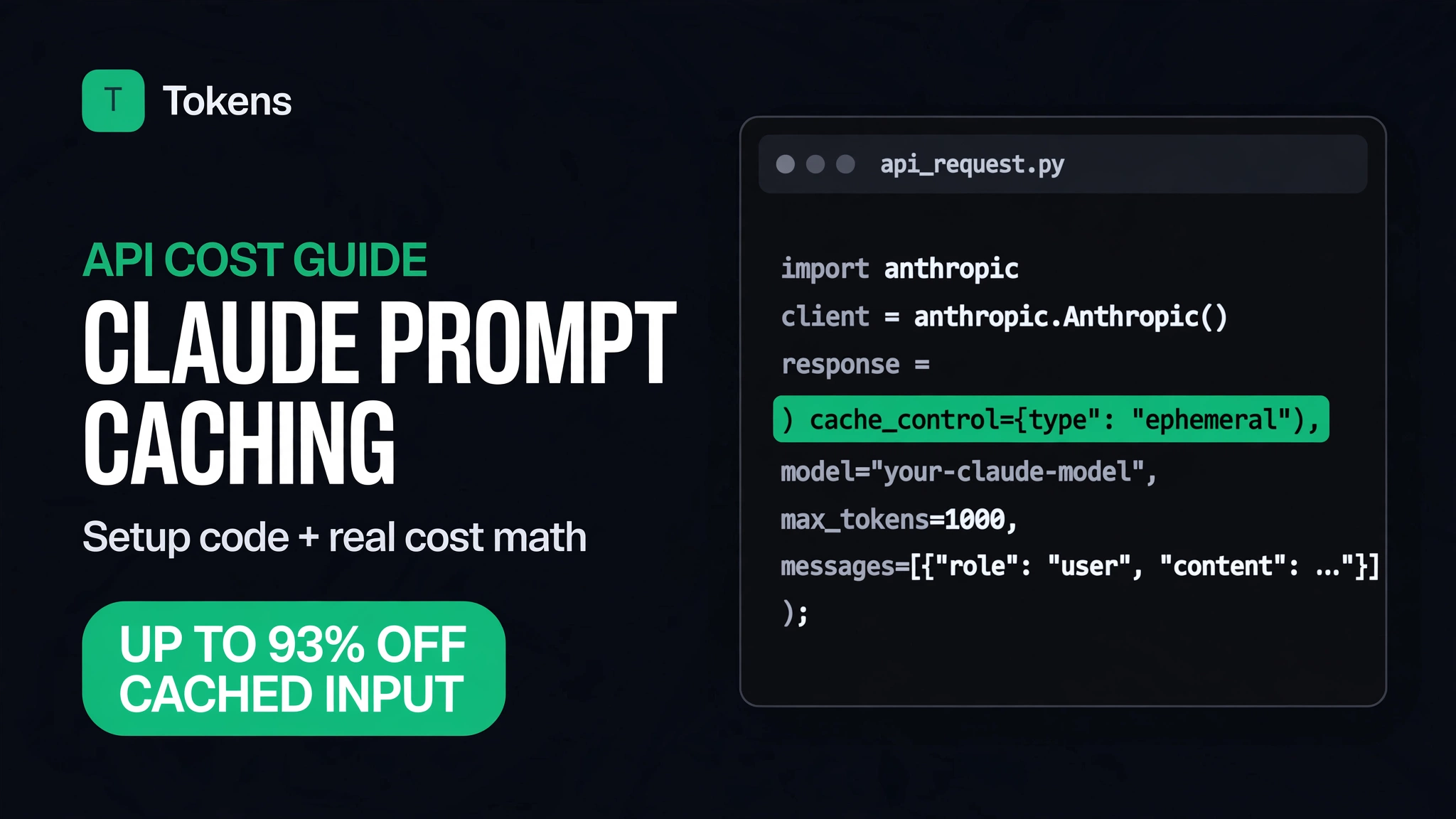
Turn on Claude prompt caching with automatic or breakpoint mode, verify hits in the usage object, and run the real Sonnet 5.5 cost math. Prices checked 15 October 2026.
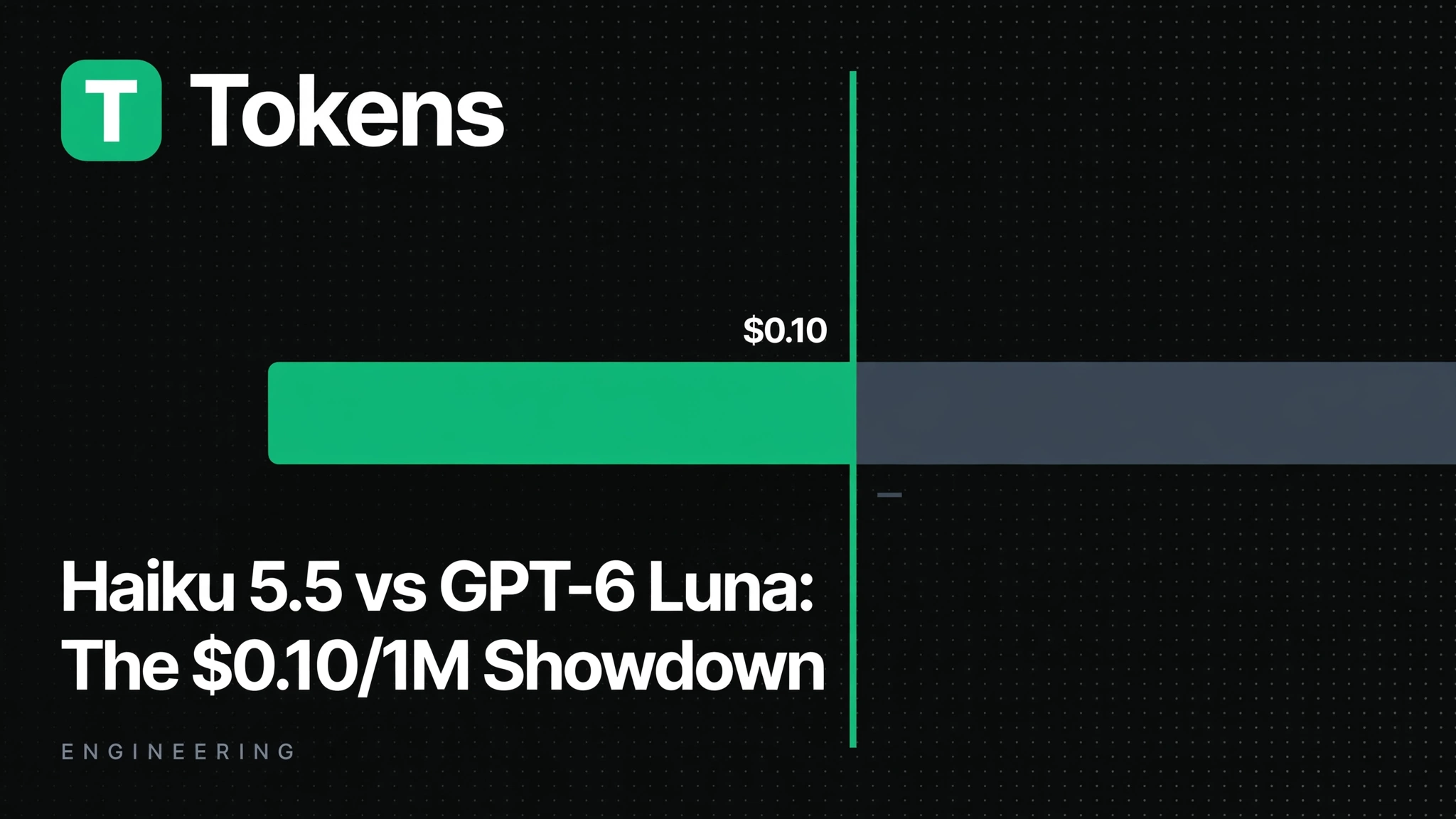
Claude Haiku 5.5 and GPT-6 Luna both charge $0.10 per million input tokens. But the price cliffs at 100K and 272K tokens flip the bill — benchmarks, effort levels, and real agent-session costs compared in USD and BDT.
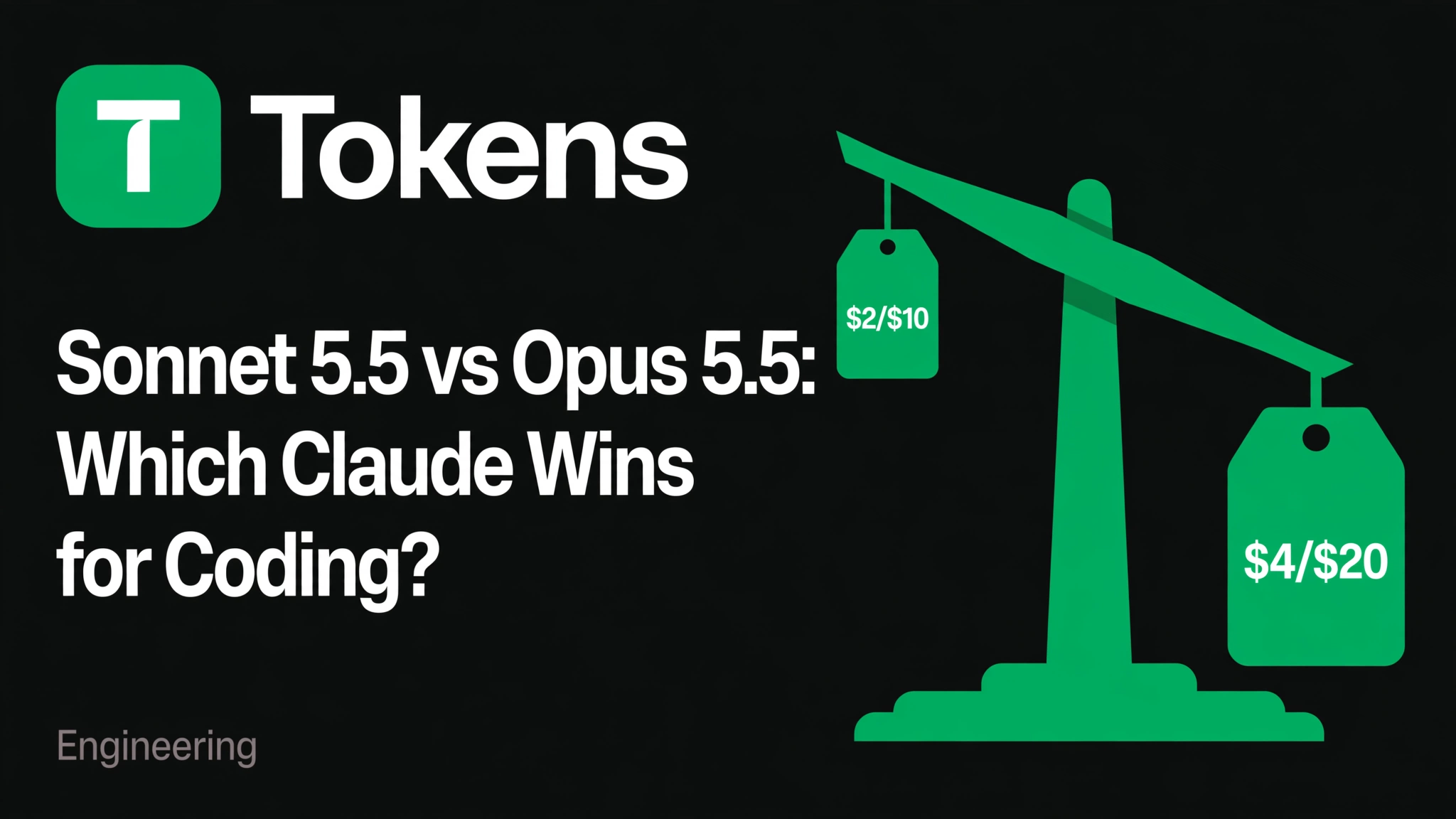
Opus 5.5 costs 2x Sonnet 5.5 per token, but benchmarks show Sonnet matches or beats it on most coding tests. Here's exactly when the bigger model earns its price.
Eight low-cost models you can run a coding agent on, with official list prices, context limits and the catches: DeepSeek's peak hours, GPT-6 Luna's tool-calling rule, MiniMax's 512K tier and Gemini's January price change.
Million-token context lets an agent hold a whole repository and a long session. It doesn't make each turn cheaper or faster, and some providers raise the price above 200K, 272K or 512K tokens. Here's the arithmetic.