
Fine-Tuning vs Prompt Engineering: Cost Math (2026)
Fine-tuning or prompt engineering? Real 2026 prices: training from $0.34/M tokens, break-even as low as ~600 requests — or never, once hourly hosting kicks in.
4 Uncensored LLM model added, currently available for only pay-as-you-go users.See Models

Fine-tuning or prompt engineering? Real 2026 prices: training from $0.34/M tokens, break-even as low as ~600 requests — or never, once hourly hosting kicks in.

Send every request to the cheapest model that can handle it. Rule-based, semantic, classifier, and cascade routing explained — with real cost math on current tokens.bd prices.

OpenAI shuts down 11 legacy models this Friday, Oct 23, 2026. Every retiring ID, its named substitute, the alias traps, and the migration checklist.

MiniMax M3.1 Flash (Oct 19): $0.15/$0.60 per 1M tokens, 1M context, always-on reasoning. Checked 20 Oct 2026 — what it costs and when to switch.

Every major model now ships a 1M-token context window — but filling it costs anywhere from $0.15 to $20, and OpenAI doubles your rate past 272K tokens. What 1M tokens actually fits, and when you need it.

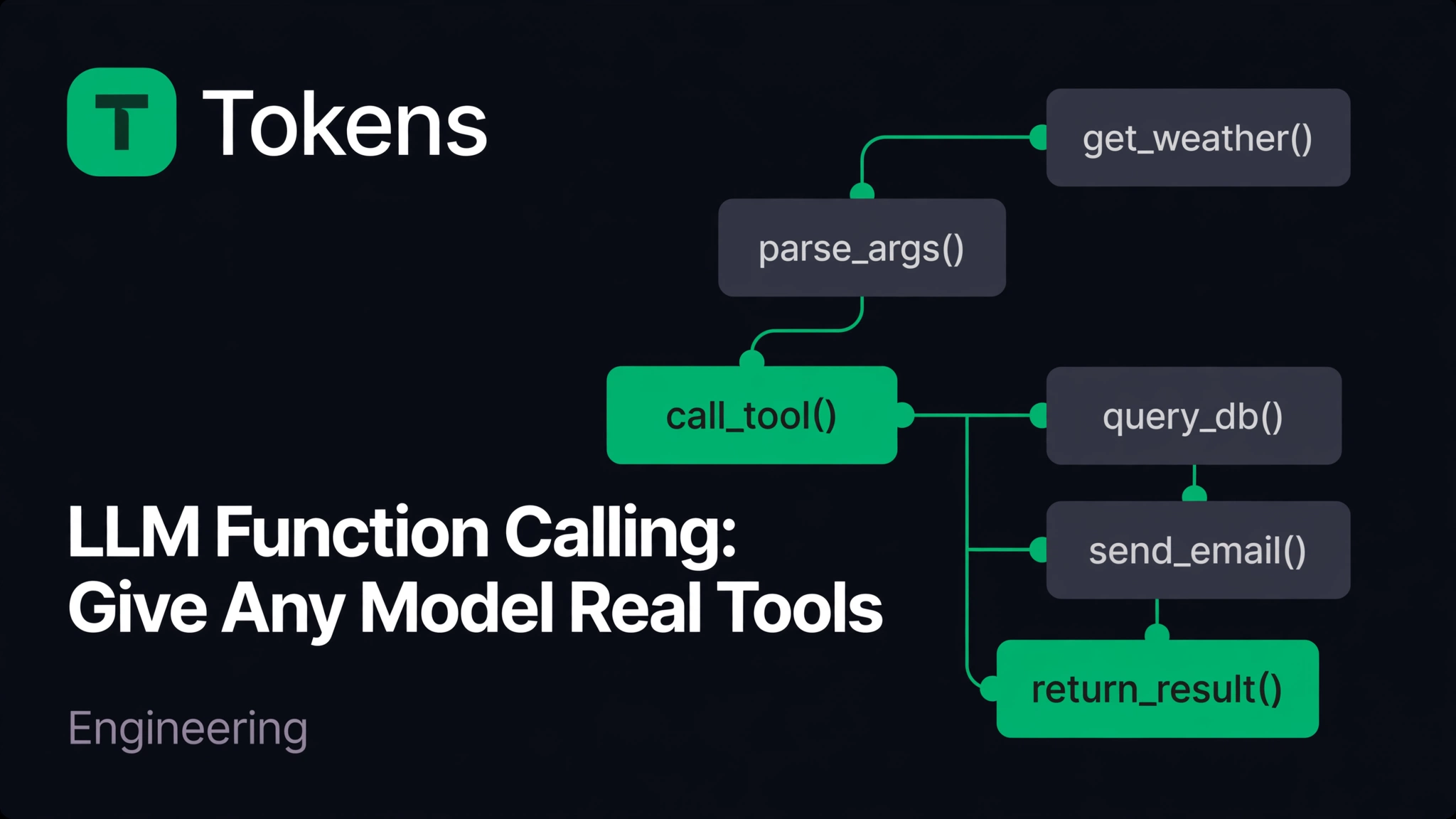
Give your LLM tools it can actually call. The exact function-calling request shapes for OpenAI, Claude, and Gemini — the tool-call loop, strict mode, and the failure modes that break production agents.

Stop regex-parsing chatbot replies. OpenAI, Claude, and Gemini all enforce JSON schemas at decode time now — here's the parameter, the strict-mode rules, and the failure modes for each provider.

RPM, TPM, concurrency: every provider caps API throughput differently. How OpenAI, Anthropic, Gemini and DeepSeek compare — and the retry patterns that stop 429s.

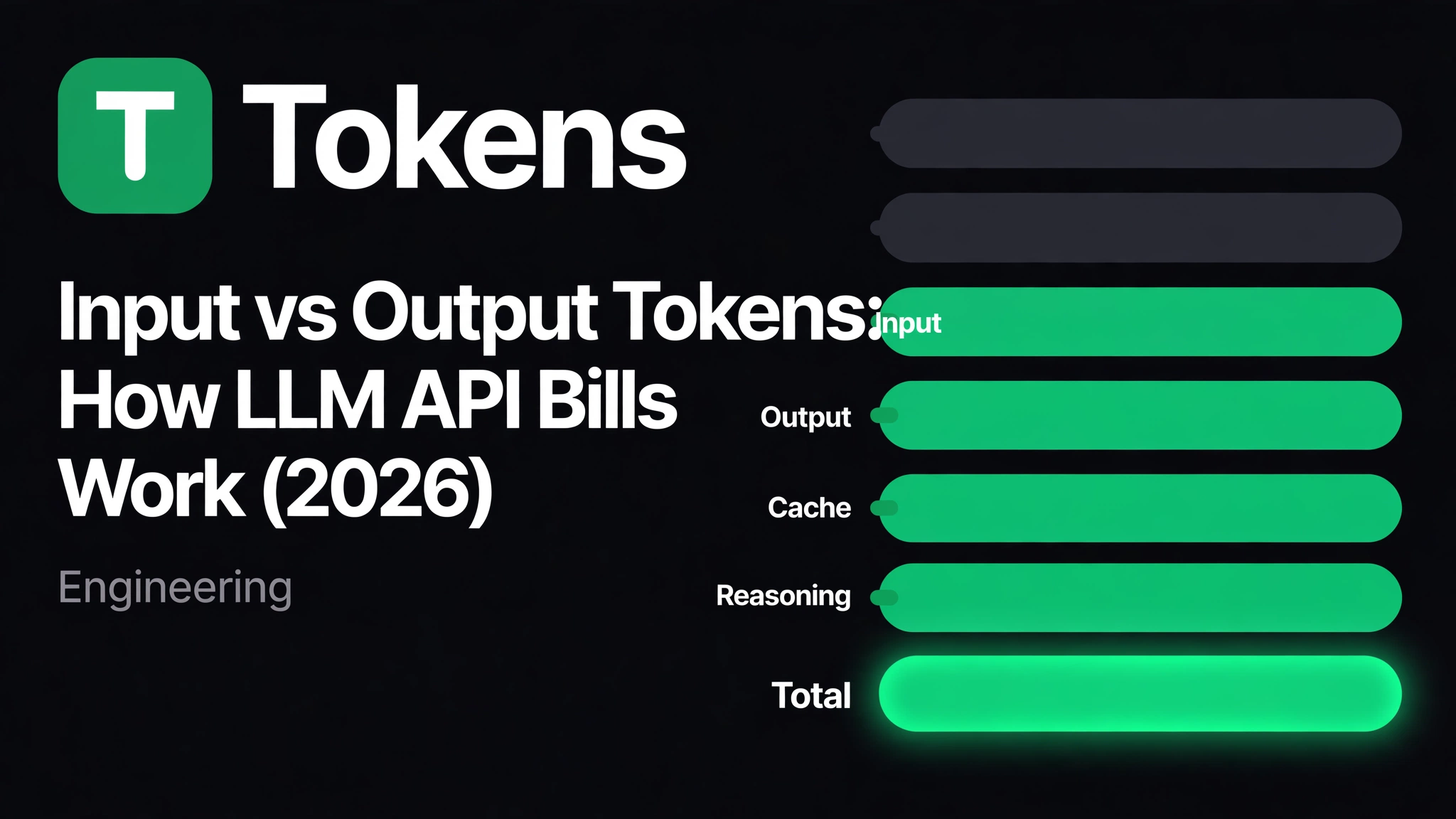
Your LLM bill has five line items: input, output, cache reads, cache writes, and reasoning tokens. Here's what each costs on 10 current models — with real math in USD and BDT.